

Money fix strategies for debt feel like this impossible thing when you’re staring at your bank app at 2 a.m., heart pounding because another bill just hit and your credit score is tanking harder than my attempts at New Year’s resolutions. Seriously, right now as I’m typing this in my cramped apartment in the US—it’s New Year’s Eve 2025, fireworks popping outside somewhere, but inside it’s just me, cold coffee, and a pile of statements that make me wanna crawl under the blanket forever. I’ve been there, like deep in it, with credit card debt from dumb impulse buys during the pandemic, medical bills that snuck up, and yeah, bad credit making everything worse—like getting denied for a better apartment last year, which still stings.


Anyway, my money fix strategies started as total desperation. I remember one night last summer, sitting on my couch in this same spot, eating ramen because that’s what the budget allowed, and realizing my bad credit was blocking me from even a decent car loan. Embarrassing? Hell yes. I had like $18k in revolving debt, mostly credit cards at insane rates, plus some old student stuff lingering. But here’s the raw truth: figuring out money fix strategies for debt, bills, and bad credit isn’t some perfect plan—it’s messy, contradictory, and full of setbacks, like me celebrating paying off one card then immediately charging groceries because life.
My Go-To Money Fix Strategies for Tackling Debt Head-On
Look, I tried both the big ones everyone talks about. The debt snowball versus avalanche thing? I went snowball first because I needed those quick wins bad.
- Start with the smallest debt, pay minimums on everything else, throw extra at the tiny one till it’s gone. For me, it was a $800 store card from some furniture splurge I regret. Knocking it out in three months felt amazing—like, seriously euphoric.
- Then roll that payment into the next smallest. Momentum builds, y’know?
But then I switched to avalanche for the bigger stuff because math. Paying highest interest first saves cash long-term. According to experts at places like the CFPB, this minimizes what you pay overall.
I mixed ’em—snowball for motivation, avalanche when the numbers got ugly. Contradictory? Yeah, but it worked for my flaky brain. Check out this comparison from Ramsey Solutions on debt snowball vs avalanche if you’re debating.
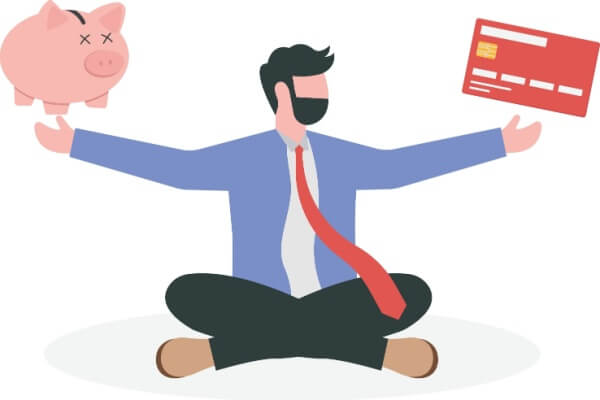
Using Savings to Pay Off Debt: Is It the Right Choice?
Another money fix strategy that’s saving my butt: consolidation. I grabbed a personal loan at a lower rate to bundle some cards—cut my interest almost in half. Sites like CNBC Select have guides on this for 2025. Just don’t do it if you’ll rack up new debt, lesson learned the hard way.
Money Fix Strategies for Juggling Bills Without Losing Your Mind
Bills are the sneaky killers, right? They pile up, late fees hit, credit dips more. My hack: automate everything possible, but track like a hawk.
I use apps now—PocketGuard for spotting subscriptions I forgot (canceled three last month, saved $50 easy), and YNAB for that zero-based budgeting where every dollar has a job. It’s intense but forces honesty.
- List all bills by due date.
- Set reminders or auto-pay.
- Negotiate—called my internet provider, got $20 off monthly just by asking.
For bad credit ties in here: late bills tank your score fast. The Consumer Financial Protection Bureau says payment history is huge—get current, stay current.
One embarrassing story: I once forgot a $200 utility bill, it went to collections, score dropped 50 points. Took months to fix. Now I overpay a bit sometimes just to build buffer.
Real Talk on Money Fix Strategies for Bad Credit Recovery
Bad credit feels permanent, but it’s not. Mine was sub-600 last year from maxed cards and misses. Now creeping toward 700.
Key moves from CFPB tips:
- Pull free reports weekly (AnnualCreditReport.com).
- Dispute errors—I found two old ones, got ’em removed.
- Keep utilization under 30%—pay down balances, don’t close old cards.
- On-time payments, every time.
- Maybe a secured card or credit builder loan if needed.
No quick fixes, despite scams promising ’em. It takes time, but seeing that score tick up? Bittersweet relief.
I also built a tiny emergency fund first—$1k goal à la Dave Ramsey—so I stop using credit for surprises.
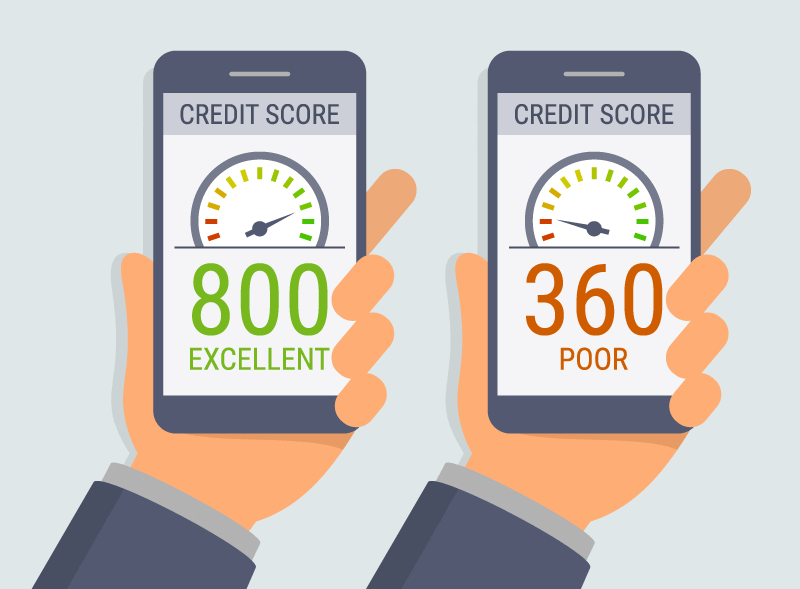
Credit Score Fluctuations: Why Does My Credit Report Fluctuate?
Wrapping this up like we’re chatting over bad coffee: my money fix strategies for debt, bills, and bad credit are far from perfect. I still slip—bought takeout last week when I shouldn’t—but progress is real. I’m down $7k debt this year, bills on track, credit improving. You can too, flawed and all.
Start small: pull your credit report today, list debts, pick snowball or avalanche. Try an app. Talk to a nonprofit counselor if it’s overwhelming—free ones exist.
What’s one money fix strategy you’ll try in 2026? Hit me in comments, let’s keep each other accountable. You’ve got this—seriously.

